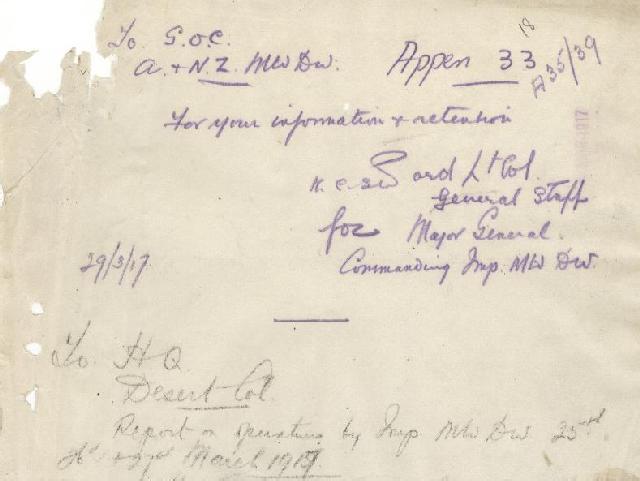
The Roll of Honour contains the names of all the men from Australia and Britain who are known to have served at one time with the Australian Mounted Division and gave their lives in service of this Division, either Dying of Wounds or Killed in Action as a result of their involvement in combat.
Arthur Henry ADAMS, 1st/1st Warwickshire Yeomanry, Killed in Action, 8 November 1917
Arthur John ADAMS, 8th Light Horse Regiment, Killed in Action, 19 April 1917
Martin Chicheley ALBRIGHT, 1st/1st Queen’s Own Worcestershire Hussars (Worcester Yeomanry), Died of Wounds, 8 November 1917
Charles ALEXANDER, Royal Gloucestershire Hussars, Killed in Action, 12 November 1917
George ALEXANDER, 11th Light Horse Regiment, Killed in Action, 19 April 1917
William Arthur Francis ALLAN, 11th Light Horse Regiment, Killed in Action, 25 September 1918
Jack ALLEN, 8th Light Horse Regiment, Killed in Action, 1 December 1917
Thomas Farmer ALLEN, 1st/1st Queen’s Own Worcestershire Hussars (Worcester Yeomanry), Killed in Action, 8 November 1917
William Robert ALLEN, 10th Light Horse Regiment, Killed in Action, 19 April 1917
John Clyde ALLISON, 9th Light Horse Regiment, Killed in Action, 19 April 1917
Robert Graham ANDERSON, 1st/1st Royal Gloucestershire Hussars, Killed in Action, 12 November 1917
Hans Edward ANDREASEN, 8th Light Horse Regiment, Killed in Action, 3 May 1918
Alfred ARNOLD, 9th Light Horse Regiment, Killed in Action, 3 May 1918
William Walter ASH, 12th Light Horse Regiment, Died of Wounds, 3 December 1917
John Henry ASHER, 8th Light Horse Regiment, Died of Wounds, 31 October 1917
Tasman ATKIN, 4th Light Horse Regiment, Killed in Action, 1 May 1918
Ernest Edward AUSTIN, 12th Light Horse Regiment, Killed in Action, 19 April 1917
Percy Howard BADCOCK, 1st/1st Royal Buckinghamshire Hussars, Killed in Action, 19 April 1917
William Harold BAIN, 8th Light Horse Regiment, Died of Wounds, 14 November 1917
Charles BAKER, Queen’s Own Worcestershire Hussars (Worcester Yeomanry), Killed in Action, 12 November 1917
William Matthew BAKER, Royal Gloucestershire Hussars, Died of Wounds, 1 December 1917
Francis Edward BARNETT, Royal Gloucestershire Hussars, Killed in Action, 20 April 1917
Edward Victor BARROW, 11th Light Horse Regiment, Killed in Action, 19 April 1917
James William BARRY, 11th Light Horse Regiment, Died of Wounds, 1 May 1918
Owen Cressy BARRY, 9th Light Horse Regiment, Killed in Action, 31 October 1917
William Thomas Henry BARRY, Berkshire Yeomanry, Died of Wounds, 19 April 1917
Harry Cyril BASTOW, 12th Light Horse Regiment, Killed in Action, 19 April 1917
Ronald BATES, 12th Light Horse Regiment, Killed in Action, 30 April 1918
John William BAXTER, 8th Light Horse Regiment, Killed in Action, 7 November 1917
Kenneth Anthony BAYLIS, Royal Gloucestershire Hussars, Killed in Action, 12 November 1917
Ernest William BAYLISS, 1st/1st Queen’s Own Worcestershire Hussars (Worcester Yeomanry), Killed in Action, 8 November 1917
Harold Thomas BELL, 11th Light Horse Regiment, Killed in Action, 19 April 1917
William Robert BELL, 4th Light Horse Regiment, Died of Wounds, 1 December 1917
Richard John BELLAMY, 1st/1st Berkshire Yeomanry, Killed in Action, 21 April 1917
Frederick Rubon BENHAM, 9th Light Horse Regiment, Killed in Action, 19 April 1917
Bernard Charles BENNETT, 1st/1st Dorset Yeomanry (Queen's Own), Killed in Action, 4 May 1917
Keith Clarence BENNETT, 9th Light Horse Regiment, Killed in Action, 3 May 1918
Thomas Albert BENNETT, 10th Light Horse Regiment, Died of Wounds, 11 November 1917
Lewis Richard BERRYMAN, 11th Light Horse Regiment, Killed in Action, 19 April 1917
Lawrence BERWICK, 3rd Light Horse Field Ambulance, Killed in Action, 4 May 1917
Reginald Allan BIRCHENOUGH, 8th Light Horse Regiment, Killed in Action, 19 April 1917
Walter Lewis BISHOP, 9th Light Horse Regiment, Died of Wounds, 9 October 1918
James BLACK, 12th Light Horse Regiment, Killed in Action, 12 November 1917
Robert BLACK, 9th Light Horse Regiment, Died of Wounds, 3 November 1917
Lancelot Charles BLACKALL, 8th Light Horse Regiment, Killed in Action, 1 December 1917
Edward Thomas BLAKE, 11th Light Horse Regiment, Killed in Action, 1 May 1918
William BLOOMFIELD, 9th Light Horse Regiment, Killed in Action, 12 November 1917
Martin Petrie BLUNDELL, 8th Light Horse Regiment, Died of Wounds, 23 April 1917
Gilbert John BLYTHMAN, 12th Light Horse Regiment, Died of Wounds, 22 April 1917
Joseph BOND, 1st/1st Queen’s Own Worcestershire Hussars (Worcester Yeomanry), Killed in Action, 8 November 1917
John William BOURNE, 1st Warwickshire Yeomanry, Killed in Action, 8 November 1917
Reginald William BRINSMEAD, 10th Light Horse Regiment, Killed in Action, 19 April 1917
William BROWNEY, 11th Light Horse Regiment, Died of Wounds, 8 May 1918
Charles BRYANT, 11th Light Horse Regiment, Killed in Action, 14 July 1918
Frederick James BUCHAN, 10th Light Horse Regiment, Died of Wounds, 22 December 1917
Archibald Edward BULLER, 8th Light Horse Regiment, Died of Wounds, 20 April 1917
William Henry BULLMAN, 1st/1st Royal Buckinghamshire Hussars, Died of Wounds, 31 May 1917
James Thomas BUNEGAR, 1st/1st Queen’s Own Worcestershire Hussars (Worcester Yeomanry), Killed in Action, 8 November 1917
Leslie Stuart BURNISTON, 11th Light Horse Regiment, Killed in Action, 14 July 1918
Albert BURROWS, 11th Light Horse Regiment, Died of Wounds, 1 December 1917
Edwin George Rutherford CAIRNS, 12th Light Horse Regiment, Died of Wounds, 22 April 1917
Frank Banister CAMPBELL, 10th Light Horse Regiment, Killed in Action, 6 November 1917
Albert CARD, 4th Light Horse Regiment, Killed in Action, 31 October 1917
Frederick Michael CARNEY, 10th Light Horse Regiment, Killed in Action, 8 November 1917
Douglas CARRINGTON, 8th Light Horse Regiment, Killed in Action, 4 May 1917
John Ernest CHAPMAN, 9th Light Horse Regiment, Died of Wounds, 20 April 1917
Allan Patrick CHRISTENSEN, 12th Light Horse Regiment, Died of Wounds, 11 February 1917
Ernest Richard CHRISTIE, A Squadron 1st/1st Royal Buckinghamshire Hussars, Died of Wounds, 1 June 1917
Ernest CLARKE, 1st/1st Queen’s Own Worcestershire Hussars (Worcester Yeomanry), Died of Wounds, 8 May 1918
Edward Randolph CLEAVER, 3rd Light Horse Brigade Headquarters, Killed in Action, 19 April 1917
Edward James CLEMENTS, 3rd Light Horse Field Ambulance, Killed in Action, 4 May 1917
John COATES, Royal Gloucestershire Hussars, Died of Wounds, 9 May 1918
Harry (Izod) COLDICOTT, 10th Light Horse Regiment, Died of Wounds, 23 April 1917
George COLEMAN, 11th Light Horse Regiment, Killed in Action, 1 November 1917
Francis Aloysius CONNOLLY, 8th Light Horse Regiment, Died of Wounds, 6 May 1917
James COOK, 1st/1st Queen’s Own Worcestershire Hussars (Worcester Yeomanry), Killed in Action, 8 November 1917
Albert Edward COOPER, 11th Light Horse Regiment, Killed in Action, 19 April 1917
Albert John Benjamin COOPER, 8th Light Horse Regiment, Killed in Action, 19 April 1917
Harry COOPER, Warwickshire Yeomanry, Died of Wounds, 4 November 1917
Alfred CORK, 4th Light Horse Regiment, Killed in Action, 4 May 1918
William Frederick COX, 1st/1st Warwickshire Yeomanry, Died of Wounds, 20 April 1917
William Edwin CROCKETT, Royal Gloucestershire Hussars, Killed in Action, 19 April 1917
Michael Parnel CRONIN, 4th Light Horse Regiment, Killed in Action, 4 May 1918
Norman Russell CROUCH, 12th Light Horse Regiment, Killed in Action, 31 October 1917
Patrick Augustine CROWE, 11th Light Horse Regiment, Killed in Action, 25 September 1918
Frederick CRUTCHLEY, Queen's Own Worcestershire Hussars (Worcester Yeomanry), Died of Wounds, 19 April 1917
Harold Nesbit CUMMINS, 4th Light Horse Regiment, Killed in Action, 6 November 1917
Lawrence E DABBS, 1st/1st Queen’s Own Worcestershire Hussars (Worcester Yeomanry), Died of Wounds, 15 November 1917
George DARE, 11th Light Horse Regiment, Died of Wounds, 12 November 1917
Allan Vincent DARGAVEL, 12th Light Horse Regiment, Killed in Action, 19 April 1917
Perry Thomas DAVIS, 11th Light Horse Regiment, Died of Wounds, 10 November 1917
Robert DELANEY, 8th Light Horse Regiment, Died of Wounds, 29 December 1917
Harold George DENLEY, 1st/1st Queen’s Own Worcestershire Hussars (Worcester Yeomanry), Died of Wounds, 8 November 1917
Francis James DENNIS, 8th Light Horse Regiment, Died of Wounds, 3 May 1918
John Edward DEVITT, 4th Light Horse Regiment, Killed in Action, 31 October 1917
Daryl James Gilchrist DODDS, 9th Light Horse Regiment, Killed in Action, 12 November 1917
Geoffrey Hardwick DODSON, 4th Light Horse Regiment, Killed in Action, 30 May 1917
Alexander DONALDSON, 9th Light Horse Regiment, Died of Wounds, 12 November 1917
William DONALDSON, 4th Light Horse Regiment, Died of Wounds, 31 October 1917
Arthur William DORE, D Squadron 1st/1st Berkshire Yeomanry, Died of Wounds, 6 May 1917
Alexander Mark DOWNIE, 8th Light Horse Regiment, Died of Wounds, 1 November 1917
Leo DUCKMANTON, 11th Light Horse Regiment, Killed in Action, 19 April 1917
William George DUGUID, 9th Light Horse Regiment, Killed in Action, 11 April 1918
William James DUNBAR, 12th Light Horse Regiment, Killed in Action, 31 October 1917
John Denis DUNN, 8th Light Horse Regiment, Died of Wounds, 6 November 1917
Patrick Bernard DWYER, 10th Light Horse Regiment, Died of Wounds, 6 November 1917
John James DYER, 8th Light Horse Regiment, Killed in Action, 19 April 1917
Francis Thomas EACOTT, 10th Light Horse Regiment, Died of Wounds, 21 April 1917
Henry John EATON, 11th Light Horse Regiment, Killed in Action, 4 July 1917
George EDDINGTON, 9th Light Horse Regiment, Killed in Action, 3 May 1918
John Vaughan EDWARDS, Royal Gloucestershire Hussars, Killed in Action, 12 November 1917
John Wesley EDWARDS, 1st/1st Queen’s Own Worcestershire Hussars (Worcester Yeomanry), Killed in Action, 8 November 1917
Rupert Harry Adams EDWARDS, 12th Light Horse Regiment, Killed in Action, 31 October 1917
Thomas William EDWARDS, 11th Light Horse Regiment, Died of Wounds, 20 May 1917
James EGAN, 8th Light Horse Regiment, Killed in Action, 19 August 1918
Walter ELDRIDGE, Berkshire Yeomanry, Killed in Action, 19 April 1917
Frederick Bertram ELLIS, 8th Light Horse Regiment, Killed in Action, 6 November 1917
Herbert Pearce ELLIS, B Squadron Royal Gloucestershire Hussars, Died of Wounds, 1 December 1917
Cuthbert ELSDON, 4th Light Horse Regiment, Killed in Action, 4 May 1918
Clifford Ward EMERY, 4th Light Horse Regiment, Killed in Action, 1 May 1918
William EMMERT, 8th Light Horse Regiment, Killed in Action, 1 November 1917
Thomas ERRINGTON, 9th Light Horse Regiment, Killed in Action, 30 March 1918
Arthur Leslie EVANS, 11th Light Horse Regiment, Killed in Action, 30 March 1918
Frederick Garnet FARLOW, 9th Light Horse Regiment, Killed in Action, 12 November 1917
Henry Harry FARR, 1st/1st Warwickshire Yeomanry, Killed in Action, 9 November 1917
Frederick Roland FAULKNER, 11th Light Horse Regiment, Killed in Action, 19 April 1917
George FAY, 3rd Light Horse Field Ambulance, Killed in Action, 22 August 1918
Cyril John Alfred FLYNN, 11th Light Horse Regiment, Killed in Action, 1 November 1917
William Bateman FORSTER, 11th Light Horse Regiment, Died of Wounds, 7 November 1917
John Walter FRANCIS, 8th Light Horse Regiment, Killed in Action, 19 April 1917
John James GALLAGHER, 9th Light Horse Regiment, Killed in Action, 30 March 1918
William John GARDNER, 11th Light Horse Regiment, Killed in Action, 19 April 1917
Alfred Joseph GARRATT, 11th Light Horse Regiment, Killed in Action, 25 September 1918
Norman William GATES, 3rd Light Horse Field Ambulance, Killed in Action, 21 May 1918
Cecil GERMAIN, 8th Light Horse Regiment, Died of Wounds, 10 November 1917
Hugh GILLIES, 8th Light Horse Regiment, Killed in Action, 1 December 1917
Arthur GILLIGAN, 10th Light Horse Regiment, Killed in Action, 28 March 1918
Lucas Joseph Paul GOLIK, 8th Light Horse Regiment, Died of Wounds, 17 November 1917
Alick Ferguson GOODE, 9th Light Horse Regiment, Died of Wounds, 9 October 1918
David GORDON, 1st/1st Royal Gloucestershire Hussars, Died of Wounds, 5 November 1917
Allan George GOYDER, 10th Light Horse Regiment, Died of Wounds, 9 May 1917
Walton Robert GRAYSON, 9th Light Horse Regiment, Killed in Action, 19 April 1917
Stephen GREELEY, Warwickshire Yeomanry, Killed in Action, 19 April 1917
Edward GREEN, 8th Light Horse Regiment, Killed in Action, 1 December 1917
Walter Neil GRIFFIN, 1st/1st Queen’s Own Worcestershire Hussars (Worcester Yeomanry), Killed in Action, 8 November 1917
Cecil Harcourt GROVE, 12th Light Horse Regiment, Killed in Action, 31 October 1917
Arthur Reginald GUNSON, 9th Light Horse Regiment, Died of Wounds, 31 March 1918
Herbert Henry GYLER, 12th Light Horse Regiment, Killed in Action, 31 October 1917
George Joseph HAAG, 11th Light Horse Regiment, Killed in Action, 25 September 1918
William HAINS, 4th Light Horse Regiment, Killed in Action, 4 May 1918
John Albert HARRELL, 11th Light Horse Regiment, Killed in Action, 2 May 1918
Reginald HARRINGTON, 4th Light Horse Regiment, Died of Wounds, 5 December 1917
Albert Victor HARRISON, 1st/1st Queen’s Own Worcestershire Hussars (Worcester Yeomanry), Killed in Action, 8 November 1917
Albert Harris HARVEY, 14th Light Horse Regiment, Killed in Action, 25 September 1918
Herbert William HARWOOD, Warwickshire Yeomanry, Killed in Action, 19 April 1917
Harold HEATH, 11th Light Horse Regiment, Died of Wounds, 15 May 1918
Austin James HEITHERSAY, 11th Light Horse Regiment, Killed in Action, 2 May 1918
Herbert James HENRY, 10th Light Horse Regiment, Killed in Action, 30 March 1918
Elidye John Bernard HERBERT, Royal Gloucestershire Hussars, attached to 19TH Machine Gun Squadron, Killed in Action, 12 November 1917
Havelock HIGGS, 10th Light Horse Regiment, Killed in Action, 10 November 1917
Dennis HILL, 1st/1st Queen’s Own Worcestershire Hussars (Worcester Yeomanry), Killed in Action, 8 November 1917
Cecil Thomas HILLS, 12th Light Horse Regiment, Killed in Action, 31 October 1917
Oliver Ashover HIND, 12th Light Horse Regiment, Killed in Action, 31 October 1917
Guy HOOPER, 11th Light Horse Regiment, Died of Wounds, 1 May 1918
Harold Walter HORNBY, 10th Light Horse Regiment, Died of Wounds, 2 April 1918
Roy William HUDSON, 4th Light Horse Regiment, Killed in Action, 12 April 1919
James John HULL, 11th Light Horse Regiment, Killed in Action, 7 November 1917
Albert Wilson HUNDY, 1st/1st Warwickshire Yeomanry, Died of Wounds, 9 November 1917
Herbert William HUNT, 1st/1st Royal Gloucestershire Hussars, Died of Wounds, 5 November 1917
William Irvine HUTCHINSON, 10th Light Horse Regiment, Killed in Action, 30 March 1918
Aubrey John JACKSON, Warwickshire Yeomanry, Killed in Action, 19 April 1917
Claude Henry JACKSON, 11th Light Horse Regiment, Killed in Action, 28 March 1918
Arthur Lethero JAMES, 10th Light Horse Regiment, Killed in Action, 19 April 1917
Trevor William JAMES, Royal Gloucestershire Hussars, Died of Wounds, 20 April 1917
John Malcolm JAMIESON, 11th Light Horse Regiment, Killed in Action, 10 April 1918
Eric James JARRETT, 8th Light Horse Regiment, Killed in Action, 6 November 1917
John JOHNSTON, 8th Light Horse Regiment, Killed in Action, 3 November 1917
Stanley McGillivray JOHNSTON, 8th Light Horse Regiment, Died of Wounds, 19 November 1917
Harry Harold JONES, Berkshire Yeomanry, Killed in Action, 24 August 1917
Keith David JONES, 8th Light Horse Regiment, Killed in Action, 3 November 1917
Reginald Raymond JONES, Royal Gloucestershire Hussars, Killed in Action, 12 May 1918
Jesse JORDAN, Royal Buckinghamshire Hussars, Killed in Action, 19 April 1917
Alfred James JURY, 9th Light Horse Regiment, Died of Wounds, 19 April 1917
George Whiting KELLY, 12th Light Horse Regiment, Killed in Action, 31 October 1917
Edward Charles KENDRICK, 1st/1st Warwickshire Yeomanry, Killed in Action, 8 November 1917
John Joseph KENNEDY, 8th Light Horse Regiment, Killed in Action, 19 April 1917
John Joseph KENNY, 4th Light Horse Regiment, Died of Wounds, 1 November 1917
Cameron Harries KERR, Queen’s Own Worcestershire Hussars (Worcester Yeomanry), Killed in Action, 19 April 1917
William Edward KERRIGAN, 12th Light Horse Regiment, Died of Wounds, 3 November 1917
Thomas Harold KIMPTON, 11th Light Horse Regiment, Died of Wounds, 27 November 1917
Charles David KING, 10th Light Horse Regiment, Killed in Action, 19 April 1917
Sidney Lloyd KING, A Squadron 1st/1st Royal Buckinghamshire Hussars, Killed in Action, 31 May 1917
Adolph KLAR, 11th Light Horse Regiment, Killed in Action, 25 September 1918
Ernest Hyalman KORTMAN, 11th Light Horse Regiment, Died of Wounds, 1 May 1918
William Henry Hayes KYTE, 1st/1st Warwickshire Yeomanry, Killed in Action, 8 November 1917
Alfred James LAKE, 12th Light Horse Regiment, Died of Wounds, 18 November 1917
Robert William LAKIN, 11th Light Horse Regiment, Killed in Action, 4 May 1918
Leonard James LAMBERT, 1st/1st Warwickshire Yeomanry, Killed in Action, 8 November 1917
Leslie Reed LANGTRY, 10th Light Horse Regiment, Killed in Action, 19 April 1917
Alfred LAWTON, 10th Light Horse Regiment, Died of Wounds, 10 May 1918
John William LEADER, Royal Buckinghamshire Hussars, Died of Wounds, 20 April 1917
Albert Emmanuel LEE, 8th Light Horse Regiment, Killed in Action, 11 April 1918
William James LEE, 9th Light Horse Regiment, Died of Wounds, 20 April 1917
Claude Edward LEWIS, 1st/1st Royal Gloucestershire Hussars, Died of Wounds, 24 June 1918
John LINDON, 1st/1st Warwickshire Yeomanry, Died of Wounds, 12 November 1917
Timothy Michael LINEHAN, 10th Light Horse Regiment, Killed in Action, 3 May 1918
Richard Bright LITCHFIELD, 10th Light Horse Regiment, Died of Wounds, 3 June 1918
Henry LITTLE, 11th Light Horse Regiment, Killed in Action, 7 November 1917
Joseph Alfred LITTLEHALES, Queen’s Own Worcestershire Hussars (Worcester Yeomanry), Died of Wounds, 14 November 1917
William Horace LLOYD, 11th Light Horse Regiment, Killed in Action, 25 September 1918
Andrew Anderson LOUDEN, 11th Light Horse Regiment, Killed in Action, 28 March 1918
Cecil Flinders LUCAS, 9th Light Horse Regiment, Died of Wounds, 23 April 1917
Charles Hugh LYON, 8th Light Horse Regiment, Killed in Action, 19 July 1918
Clement MAHONEY, 4th Light Horse Regiment, Killed in Action, 2 May 1918
Albert Frederick MALTRAVERS, 8th Light Horse Regiment, Died of Wounds, 5 June 1918
George Noble MANN, 10th Light Horse Regiment, Died of Wounds, 2 June 1919
John Henry MANTON, 1st/1st Warwickshire Yeomanry, Died of Wounds, 28 April 1917
Robert MANUEL, 8th Light Horse Regiment, Died of Wounds, 3 May 1918
Clifford Roy MARR, 12th Light Horse Regiment, Died of Wounds, 23 November 1917
George Henry MARSH, 10th Light Horse Regiment, Killed in Action, 27 September 1918
Charles MARTIN, 9th Light Horse Regiment, Killed in Action, 30 April 1918
William John MARTIN, 1st/1st Queen’s Own Worcestershire Hussars (Worcester Yeomanry), Died of Wounds, 5 November 1917
Ernest MATTHEWS, 9th Light Horse Regiment, Died of Wounds, 22 April 1917
Joseph Henry MATTHEWS, Queen’s Own Worcestershire Hussars (Worcester Yeomanry), Killed in Action, 19 April 1917
Christopher Alfred MAUSOLF, 9th Light Horse Regiment, Died of Wounds, 1 November 1917
Leslie Cecil MAYGAR VC, 11th Light Horse Regiment, Killed in Action, 19 April 1917
Reginald Edward MAYWOOD, 10th Light Horse Regiment, Killed in Action, 4 May 1917
William McBURNIE, 11th Light Horse Regiment, Died of Wounds, 16 November 1917
James Joseph McCAGUE, 12th Light Horse Regiment, Killed in Action, 17 April 1917
William Alexander McCAREY, 8th Light Horse Regiment, Died of Wounds, 11 December 1917
Clarence James McCARRON, 11th Light Horse Regiment, Killed in Action, 25 September 1918
Michael Henry McCARTHY, 4th Light Horse Regiment, Died of Wounds, 1 November 1917
Lionel Oscar McCRAE, 11th Light Horse Regiment, Killed in Action, 10 April 1918
Duncan Campbell McDOUGALL, 12th Light Horse Regiment, Killed in Action, 19 April 1917
Herbert McGILL, 9th Light Horse Regiment, Killed in Action, 19 April 1917
Stephen Percival McGINTY, 12th Light Horse Regiment, Killed in Action, 25 September 1918
William Hutchison McINTOSH, 10th Light Horse Regiment, Killed in Action, 19 April 1917
Norman Joseph McKAY, 12th Light Horse Regiment, Killed in Action, 19 April 1917
Brian McKENNA, 10th Light Horse Regiment, Killed in Action, 2 May 1918
William Fraser McKERROW, 8th Light Horse Regiment, Killed in Action, 14 December 1917
John McLEOD, 8th Light Horse Regiment, Died of Wounds, 20 April 1917
Angus McMASTER, 11th Light Horse Regiment, Died of Wounds, 8 May 1918
Peter McMILLAN, 9th Light Horse Regiment, Died of Wounds, 7 June 1918
Provo William MEDHURST, 12th Light Horse Regiment, Killed in Action, 25 September 1918
Harry George MENZIES, 9th Light Horse Regiment, Died of Wounds, 20 April 1917
Benjamin Peter George MEREDITH, 8th Light Horse Regiment, Died of Wounds, 19 April 1917
Charles Robert METHVEN, 9th Light Horse Regiment, Killed in Action, 30 April 1918
Ernest William MILLARD, 9th Light Horse Regiment, Killed in Action, 6 November 1917
William Casper MILLER, 12th Light Horse Regiment, Killed in Action, 7 November 1917
Charles Leslie MITCHELL, 4th Light Horse Regiment, Killed in Action, 2 May 1918
George Henry MITCHELL, 1st/1st Queen’s Own Worcestershire Hussars (Worcester Yeomanry), Killed in Action, 2 November 1917
Sydney Newman MITCHELL, 8th Light Horse Regiment, Died of Wounds, 19 April 1917
Harold MOORE, 9th Light Horse Regiment, Died of Wounds, 1 July 1917
Leslie MOORE, 1st/1st Royal Buckinghamshire Hussars, Killed in Action, 19 April 1917
Frederick Richard MORGAN, 9th Light Horse Regiment, Died of Wounds, 29 September 1918
Robert Herbert MORLEY, 8th Light Horse Regiment, Died of Wounds, 19 April 1917
Arthur Oliver MORRELL, 9th Light Horse Regiment, Died of Wounds, 13 October 1918
Donald James MORRISON, 10th Light Horse Regiment, Died of Wounds, 6 October 1918
William Gordon MORRISSEY, 12th Light Horse Regiment, Died of Wounds, 29 March 1918
Ralph James MORTIMER, 4th Light Horse Regiment, Killed in Action, 14 July 1918
Kenneth Andrew MUDGE, 4th Light Horse Regiment, Died of Wounds, 1 November 1917
Marcus Bowerman MUIR, 4th Light Horse Regiment, Died of Wounds, 31 October 1917
Sydney Roy MULDOON, 4th Light Horse Regiment, Killed in Action, 31 October 1917
Duncan Victor MULHOLLAND, 9th Light Horse Regiment, Killed in Action, 31 October 1917
Alexander George Roderick MUNRO, 4th Light Horse Regiment, Killed in Action, 31 October 1917
Albert John MURRAY, 8th Light Horse Regiment, Died of Wounds, 3 August 1917
Arthur William NAGLE, 10th Light Horse Regiment, Killed in Action, 19 April 1917
James NASH, 11th Light Horse Regiment, Died of Wounds, 19 April 1917
William Foxwell NASH, 1st/1st Royal Gloucestershire Hussars, Killed in Action, 26 March 1917
George NEILSON, 9th Light Horse Regiment, Killed in Action, 27 June 1917
Ernest Henry NETHERBY, 8th Light Horse Regiment, Killed in Action, 1 December 1917
William NETTLETON, 10th Light Horse Regiment, Killed in Action, 3 May 1918
August Charles Frederick NEUMANN, 11th Light Horse Regiment, Killed in Action, 31 October 1917
Gilbert NORRIS, 12th Light Horse Regiment, Killed in Action, 31 October 1917
Michael NUSS, 11th Light Horse Regiment, Killed in Action, 7 November 1917
Ronald Ewan O'BRIEN, 8th Light Horse Regiment, Killed in Action, 19 April 1917
Peter Matthew O'DOWD, 4th Light Horse Regiment, Died of Wounds, 1 November 1917
Roy OERMANN, 11th Light Horse Regiment, Killed in Action, 25 September 1918
Timothy James O'NEILL, 11th Light Horse Regiment, Killed in Action, 7 November 1917
Joseph Lionel Alexander OSBORNE, 12th Light Horse Regiment, Killed in Action, 10 November 1917
Percy George PAGET, 11th Light Horse Regiment, Killed in Action, 2 May 1918
Ralph Lishman PALETHORPE, 4th Light Horse Regiment, Killed in Action, 31 October 1917
Frederick William PARKER, 10th Light Horse Regiment, Died of Wounds, 28 September 1918
William PATCHETT, 1st/1st Warwickshire Yeomanry, Died of Wounds, 14 November 1917
Harry Beckett PATERSON, 9th Light Horse Regiment, Died of Wounds, 27 April 1917
Albert Thomas PAXTON, Royal Buckinghamshire Hussars, Killed in Action, 19 April 1917
John Eric PEARSON, B Squadron 1st/1st Warwickshire Yeomanry, Killed in Action, 2 November 1917
Maurice James PENSON, 12th Light Horse Regiment, Killed in Action, 31 October 1917
Sidney Arthur PERRY, Queen’s Own Worcestershire Hussars (Worcester Yeomanry), Killed in Action, 8 November 1917
Victor Charles PERRY, D Squadron 1st/1st Warwickshire Yeomanry, Killed in Action, 31 October 1917
Charles Oxley PIESSE, 4th Light Horse Regiment, Killed in Action, 31 October 1917
George Frederick PLUMMER, 1st/1st Warwickshire Yeomanry, Killed in Action, 8 November 1917
Frederick POND, 10th Light Horse Regiment, Killed in Action, 19 April 1917
Claude POWELL, 8th Light Horse Regiment, Died of Wounds, 13 November 1917
Frederick James POWELL, 4th Light Horse Regiment, Killed in Action, 16 July 1918
William George PURVIS, 12th Light Horse Regiment, Died of Wounds, 24 April 1917
John Thain RAMSAY, 11th Light Horse Regiment, Killed in Action, 25 September 1918
Richard Thomas RANDALL, 12th Light Horse Regiment, Killed in Action, 28 August 1918
Thomas Alexander RANKIN, 11th Light Horse Regiment, Killed in Action, 7 November 1917
George Edward RATHJEN, 4th Light Horse Regiment, Died of Wounds, 2 November 1917
Frederick William REDMAN, 11th Light Horse Regiment, Died of Wounds, 1 June 1918
Michael Steveard REIDY, 4th Light Horse Regiment, Died of Wounds, 19 July 1918
John REINEKE, 11th Light Horse Regiment, Died of Wounds, 27 April 1917
John Thomas REYNOLDS, 11th Light Horse Regiment, Died of Wounds, 8 November 1917
Rupert REYNOLDS, 10th Light Horse Regiment, Died of Wounds, 20 April 1917
Edward RICHARDSON, Queen’s Own Worcestershire Hussars (Worcester Yeomanry), Killed in Action, 2 May 1918
William Ernest RICHTER, 4th Light Horse Regiment, Killed in Action, 30 September 1918
Eric Bertram RIDGWAY, 11th Light Horse Regiment, Killed in Action, 2 May 1918
Frederick Rowland RIGBY, 9th Light Horse Regiment, Died of Wounds, 19 April 1917
Kelvin ROACH, 10th Light Horse Regiment, Killed in Action, 3 May 1918
Arthur Frank ROBERTS, Royal Gloucestershire Hussars, Killed in Action, 30 April 1918
Richard George ROBINSON, 4th Light Horse Regiment, Killed in Action, 3 May 1918
Stanley Oswald ROBINSON, 11th Light Horse Regiment, Killed in Action, 7 November 1917
Richard Louis Stanford ROGERS, 10th Light Horse Regiment, Killed in Action, 11 April 1918
James ROSS, 9th Light Horse Regiment, Killed in Action, 19 April 1917
Richard Calo ROSS, 11th Light Horse Regiment, Died of Wounds, 25 May 1918
Dedrich ROZENFELD, 9th Light Horse Regiment, Died of Wounds, 3 October 1918
James RUSHTON, 12th Light Horse Regiment, Killed in Action, 25 September 1918
Edmond Herbert SACKETT, 4th Light Horse Regiment, Killed in Action, 2 May 1918
John James SAINSBURY, 12th Light Horse Regiment, Killed in Action, 31 October 1917
Ernest James SAMMONS, 9th Light Horse Regiment, Died of Wounds, 19 April 1917
Harold SAMUELS, 10th Light Horse Regiment, Killed in Action, 3 May 1918
Frank Leslie SCHUYLER, 10th Light Horse Regiment, Killed in Action, 3 May 1918
Alan Robertson SCOTT, 9th Light Horse Regiment, Killed in Action, 19 April 1917
Alexander Charles SCOTT, 9th Light Horse Regiment, Killed in Action, 19 April 1917
Andrew SCOTT, 8th Light Horse Regiment, Died of Wounds, 3 May 1918
Ernest Herbert SCOTT, 4th Light Horse Regiment, Killed in Action, 10 July 1918
William Royal SELKIRK, 12th Light Horse Regiment, Killed in Action, 19 April 1917
Leslie Raymond SELLERS, 8th Light Horse Regiment, Killed in Action, 11 April 1918
Patrick SEXTON, 8th Light Horse Regiment, Killed in Action, 19 April 1917
William Henry SHADFORTH, 9th Light Horse Regiment, Killed in Action, 3 May 1918
Arthur Edward SHEPPARD, Royal Gloucestershire Hussars, Died of Wounds, 5 May 1918
Thomas Patrick SHINE, 10th Light Horse Regiment, Killed in Action, 31 July 1918
Charles John SHRIEVE, 1st/1st Warwickshire Yeomanry, Killed in Action, 11 November 1917
James Haining SINCLAIR, 11th Light Horse Regiment, Died of Wounds, 8 May 1918
Alfred John SMITH, 3rd Light Horse Field Ambulance, Killed in Action, 2 November 1917
Clifford SMITH, 8th Light Horse Regiment, Killed in Action, 22 October 1917
Cyril Gordon SMITH, 4th Light Horse Regiment, Killed in Action, 25 June 1917
Frederick Arthur SMITH, 11th Light Horse Regiment, Killed in Action, 28 March 1918
John William SMITH, 1st/1st Warwickshire Yeomanry, Killed in Action, 8 November 1917
Thomas William SMITH, 10th Light Horse Regiment, Killed in Action, 18 March 1919
Keith Dawson SPEERING, 11th Light Horse Regiment, Killed in Action, 30 April 1918
Frederick William SPRULES, 1st/1st Warwickshire Yeomanry, Killed in Action, 8 November 1917
Wallace STACEY, 1st/1st Warwickshire Yeomanry, Killed in Action, 8 November 1917
Hartley James STEWART, 10th Light Horse Regiment, Killed in Action, 30 September 1918
Sydney John STEWART, 8th Light Horse Regiment, Killed in Action, 19 April 1917
John Thomas STILL, 10th Light Horse Regiment, Killed in Action, 31 July 1918
Gerald Cunliffe STONES, 11th Light Horse Regiment, Killed in Action, 19 April 1917
Alfred Thomas STUCHBERY, 9th Light Horse Regiment, Killed in Action, 19 April 1917
Richard SWALE, 8th Light Horse Regiment, Killed in Action, 19 April 1917
Sydney Louis SWIFT, 11th Light Horse Regiment, Killed in Action, 23 September 1918
Eric Fullerton TAIT, 8th Light Horse Regiment, Killed in Action, 31 October 1917
Eric Darcy TAPFIELD, 11th Light Horse Regiment, Died of Wounds, 26 September 1918
Phillip Stanley TATNELL, 4th Light Horse Regiment, Died of Wounds, 4 November 1917
James Raymond TAYLOR, 11th Light Horse Regiment, Died of Wounds, 19 April 1917
Richard TAYLOR, 11th Light Horse Regiment, Killed in Action, 7 November 1917
Thomas Henry TAYLOR, 8th Light Horse Regiment, Killed in Action, 1 December 1917
William TAYLOR, 12th Light Horse Regiment, Killed in Action, 3 November 1917
William Fairbairn TEMPLE, 8th Light Horse Regiment, Killed in Action, 6 November 1917
Charles Vivian THOMAS, 9th Light Horse Regiment, Killed in Action, 19 April 1917
John Arthur THOMSON, 11th Light Horse Regiment, Killed in Action, 7 November 1917
Arthur THURLOW, 9th Light Horse Regiment, Killed in Action, 3 May 1918
Stephen John TOMKINS, 4th Light Horse Regiment, Killed in Action, 3 May 1918
Francis Herbert TRUBODY, Royal Gloucestershire Hussars, Killed in Action, 2 May 1918
Percy Oswald TRUMAN, 10th Light Horse Regiment, Killed in Action, 3 May 1918
George Thomas TURNER, 8th Light Horse Regiment, Died of Wounds, 4 June 1918
John Hawkins TURNER, 1st/1st Queen’s Own Worcestershire Hussars (Worcester Yeomanry), Killed in Action, 8 November 1917
George Reginald TYRRELL, Warwickshire Yeomanry, Killed in Action, 4 November 1917
Rudolf VALINTINE, 1st Squadron Warwickshire Yeomanry, Died of Wounds, 12 November 1917
Reginald Beavis VICKERY, 1st/1st Queen’s Own Worcestershire Hussars (Worcester Yeomanry), Died of Wounds, 8 November 1917
John Mercer WALKER, 10th Light Horse Regiment, Killed in Action, 30 April 1918
William WALLACE, 4th Light Horse Regiment, Killed in Action, 30 April 1918
Walter Arthur WALLER, 10th Light Horse Regiment, Died of Wounds, 21 April 1917
Charles Henry WARD, A Squadron 1st/1st Royal Gloucestershire Hussars, Killed in Action, 29 May 1917
William Charles WARD, 10th Light Horse Regiment, Killed in Action, 13 October 1917
Rowland William WATERS, Warwickshire Yeomanry, Killed in Action, 19 April 1917
William Gilroy WATSON, 11th Light Horse Regiment, Killed in Action, 30 April 1918
Alfred WATT, 11th Light Horse Regiment, Died of Wounds, 14 July 1918
William Victor WEABER, 11th Light Horse Regiment, Killed in Action, 25 September 1918
Alfred Charles WEAVER, 11th Light Horse Regiment, Died of Wounds, 30 September 1918
Robert Henry WEIR, 12th Light Horse Regiment, Killed in Action, 31 October 1917
Ernest Walter WESTON, 10th Light Horse Regiment, Killed in Action, 19 April 1917
Harold Wensley WETHERELL, 1st/1st Royal Gloucestershire Hussars, Killed in Action, 26 March 1917
Roy Albert WHEATON, 10th Light Horse Regiment, Died of Wounds, 11 May 1918
Thomas Henry WHEELER, Royal Gloucestershire Hussars, Killed in Action, 9 January 1917
Clifford Knapsey WHEELINS, 12th Light Horse Regiment, Died of Wounds, 19 April 1917
John WHEILDON, Warwickshire Yeomanry, Killed in Action, 19 April 1917
William George Phillips WHILDON, 12th Light Horse Regiment, Killed in Action, 31 October 1917
Frank Issac WHITE, 10th Light Horse Regiment, Killed in Action, 30 March 1918
Irwin Munro WHITFIELD, 10th Light Horse Regiment, Killed in Action, 4 May 1917
John WHORTON, Queen’s Own Worcestershire Hussars (Worcester Yeomanry), Killed in Action, 30 April 1918
Charles Calliope WILEY, 4th Light Horse Regiment, Died of Wounds, 17 November 1917
Henry John WILLIAMS, 4th Light Horse Regiment, Killed in Action, 2 May 1918
Percy Ellis WILLIAMS, 1st/1st Queen’s Own Worcestershire Hussars (Worcester Yeomanry), Killed in Action, 12 November 1917
Harold John WILLS, Royal Buckinghamshire Hussars, Killed in Action, 24 August 1917
Alexander WILSON, 8th Light Horse Regiment, Died of Wounds, 19 April 1917
Francis Ernest WILSON, 10th Light Horse Regiment, Killed in Action, 19 April 1917
Alfred Edward WILTSHIRE, D Squadron Royal Gloucestershire Hussars, Killed in Action, 12 November 1917
Philip WOLLEN, 1st Royal Gloucestershire Hussars, Killed in Action, 12 November 1917
Dougald WOODHOUSE, 11th Light Horse Regiment, Killed in Action, 25 September 1918
Frank Bernard Martin WOODNUTT, 11th Light Horse Regiment, Died of Wounds, 10 April 1918
Alexander Robertson WRIGHT, 8th Light Horse Regiment, Killed in Action, 3 May 1918
Thomas Stanley WRIGHT, 9th Light Horse Regiment, Killed in Action, 6 November 1917
Philip Musgraven WROUGHTON, 1st/1st Berkshire Yeomanry, Killed in Action, 19 April 1917
Cedric WYNDHAM, 12th Light Horse Regiment, Killed in Action, 31 October 1917
Herbert YOUNG, 11th Light Horse Regiment, Died of Wounds, 19 April 1917
Lest We Forget